A Quick Guide to Motorcycle Photography 101
Oct 23, 2024
Tags:guidetipsgetting-startedlisting-tips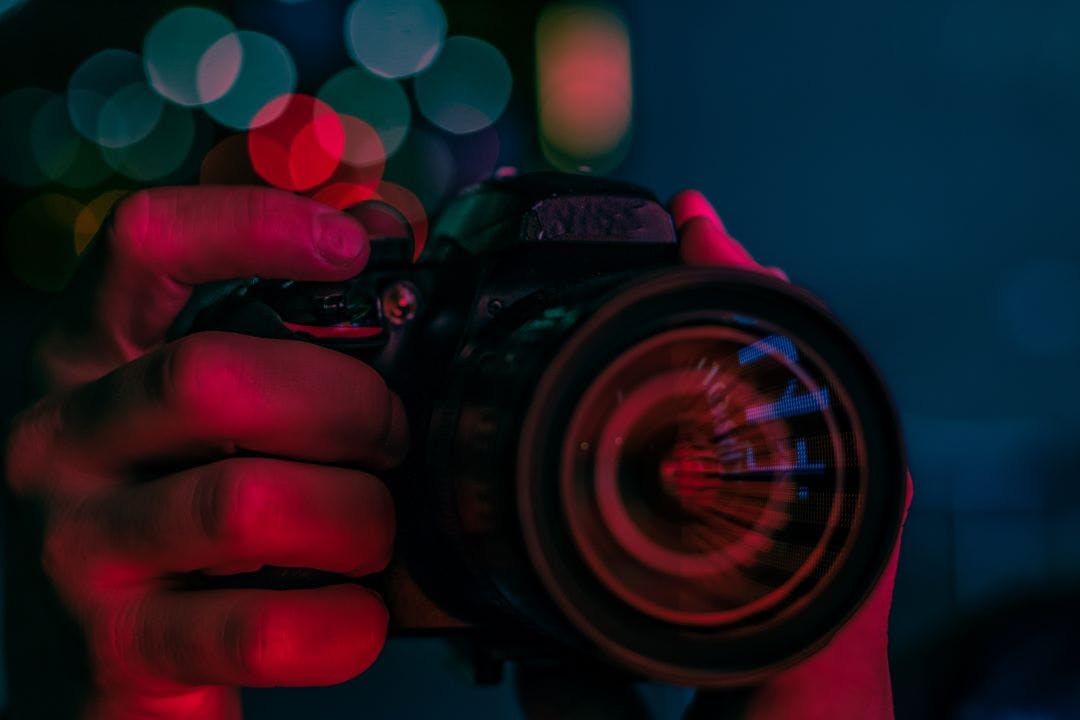
Motorcycle photography is a rewarding and creative way to capture your motorcycle in the form of an art piece, or to highlight your travels. From understanding lighting and composition to choosing the right gear (photography gear, that is), you can create photos that not only sell, but also look really good.
Whether you’re trying to sell your motorcycle, list it for rent, or simply just document your next tour- this blog is for you.
1. Gear: Choosing the Right Equipment
While expensive gear can help, it isn’t necessary for great shots. Whether using a DSLR, mirrorless camera, or even a smartphone, understanding technique is more important than having the latest technology. Essential camera gear includes:
- Camera: A DSLR or mirrorless camera offers control over settings. For action shots, fast autofocus and high frames per second (FPS) are key. A cropped sensor can provide extra reach, making it a good, budget-friendly option.
- Lenses: Longer lenses (70-200mm) are versatile, capturing action while allowing distance. For static shots, wide-angle lenses can emphasize scenic locations. Fast lenses (like f/2.8) allow for shallow depth of field, isolating the subject from the background.
- Tripods and Stabilizers: Useful for stabilizing shots, particularly for long exposures or low-light situations.
- Accessories: Filters (polarizing and neutral density), durable camera bags, and cleaning kits help maintain and protect gear.
But wait- I’m literally only reading this blog because I want to take some cool photos for social media or to list my bike. I don’t want to drop $1,000+ on camera gear. What do I use?
We get it. Honestly, in this day and age, smartphones have become so advanced that it is definitely possible to create incredible photos with just your phone. We touch on this more in #7 (so keep reading), but when it comes to equipment, don’t sweat it. A large part of getting great photos is more than just the gear- it’s the light and angles (once again, we touch on these too, so keep reading).
2. Lighting: Mastering Natural Light
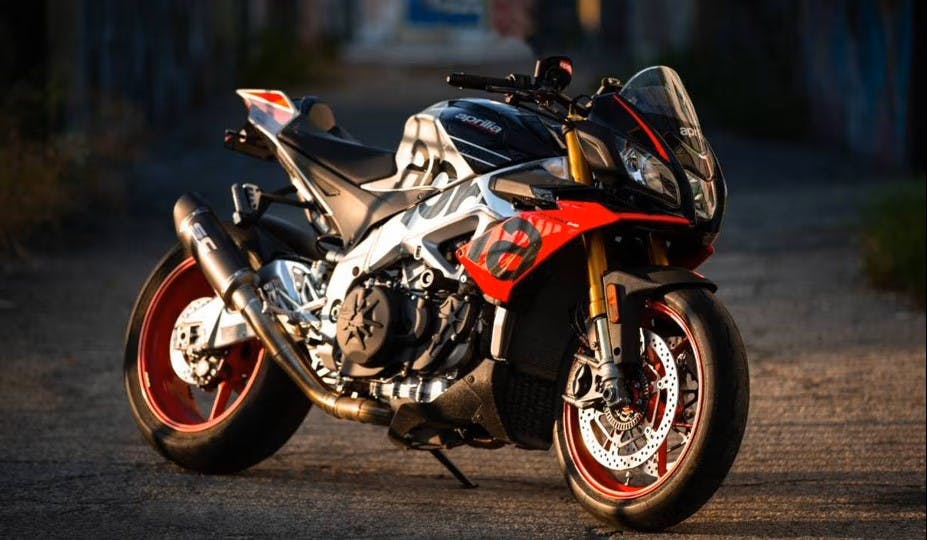
Lighting is CRUCIAL in creating mood and depth in motorcycle photography. Natural light is often the most appealing- but depending on what style you’re going for, and if you have the appropriate lighting, indoors may be suitable, too. Generally overhead light creates unappealing shadows and won’t highlight your bike as much as you want to.
- Golden Hours: The best times to shoot are early morning or late afternoon when the sun provides soft, warm light. This minimizes harsh shadows and brings out natural colors.
- Midday Shooting: If shooting midday, find open shade or use a reflector (like a white board) to fill in shadows and even out the light.
- Backlighting: Experiment with silhouettes by positioning the light source behind the bike. Adjusting white balance in the camera helps maintain accurate colors.
3. Composition & Angles: Framing Your Shots
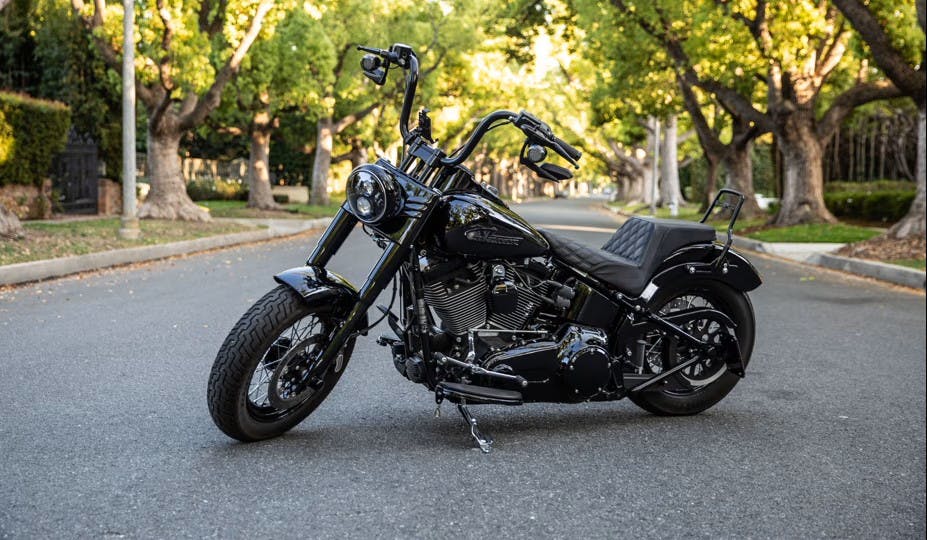
Composition plays a critical role in making images visually compelling:
- Rule of Thirds: Off-center framing creates balance and draws the viewer’s eye. Leading lines, like roads or fences, help guide focus toward the motorcycle.
- Dynamic Angles: Low-angle shots emphasize power, while high-angle shots capture expansive landscapes. Close-ups of engines or details add variety and intrigue.
- Background Consideration: Select backgrounds that complement the bike and avoid distracting elements like telephone poles. Industrial settings, fields, or simple walls work well.
What’s the 411 on angles?
Angles are pivotal in motorcycle photography, as they influence how the bike’s features are showcased and the overall mood of the shot. Low angles emphasize power and presence, making the bike appear dominant and dynamic, while 45-degree angles (three-quarter views) provide a balanced perspective, revealing multiple details like the tank, exhaust, and handlebars simultaneously. Side-on shots are perfect for highlighting the motorcycle’s silhouette, while head-on or rear shots emphasize symmetry and unique design elements.
Experimenting with different heights and angles—like overhead views for environmental context or close-ups for intricate details—helps capture the bike in a way that feels both dynamic and authentic. Adjusting the angle not only adds depth and character but also ensures the motorcycle remains the focal point against its background.
4. Action Shots: Capturing Movement
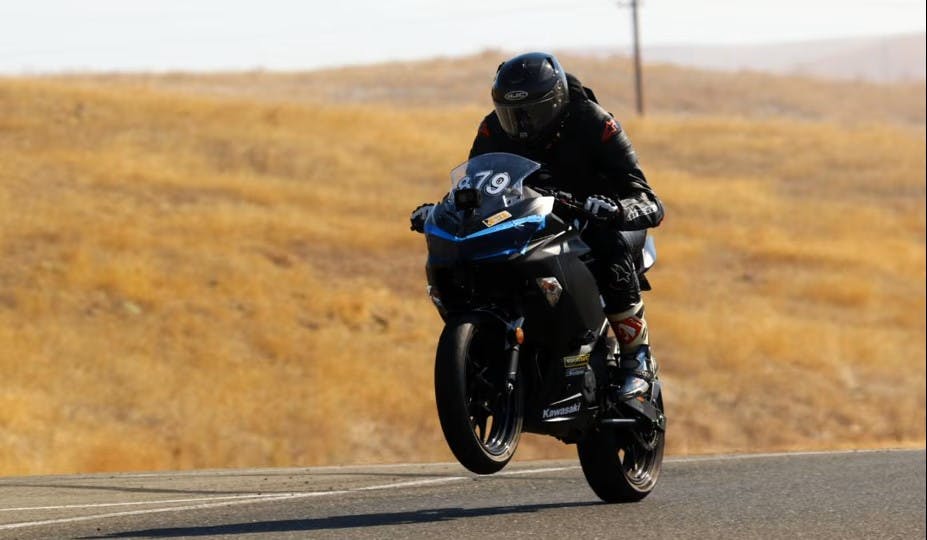
Freezing or blurring motion can convey the bike’s speed and dynamism:
- Freeze the Action: Use high shutter speeds (1/800-1/1200 sec) to keep bikes sharp while maintaining slight blur in wheels to show motion.
- Pan Shots: Lower the shutter speed (around 1/320 sec) and pan with the bike to create motion blur in the background while keeping the subject in focus. This technique requires practice and stability, especially with long lenses.
- Experiment with Motion Blur: Adjust shutter speed gradually to achieve different levels of blur, adding a sense of speed and excitement.
How to capture action shots on a smartphone
Yes, you can capture action shots on your smartphone by using burst mode or Pro/Manual mode if available. For freezing action, set a fast shutter speed (e.g., 1/800 sec) to keep the bike sharp. For pan shots, set a slower shutter speed (around 1/320 sec) and move the phone steadily with the bike to blur the background while keeping the subject in focus. Experiment with apps like Adobe Lightroom for more manual control and gradually lower shutter speeds to create motion blur for a dynamic effect. Practice is key for achieving stability and sharp results.
5. Static Shots: Highlighting Features
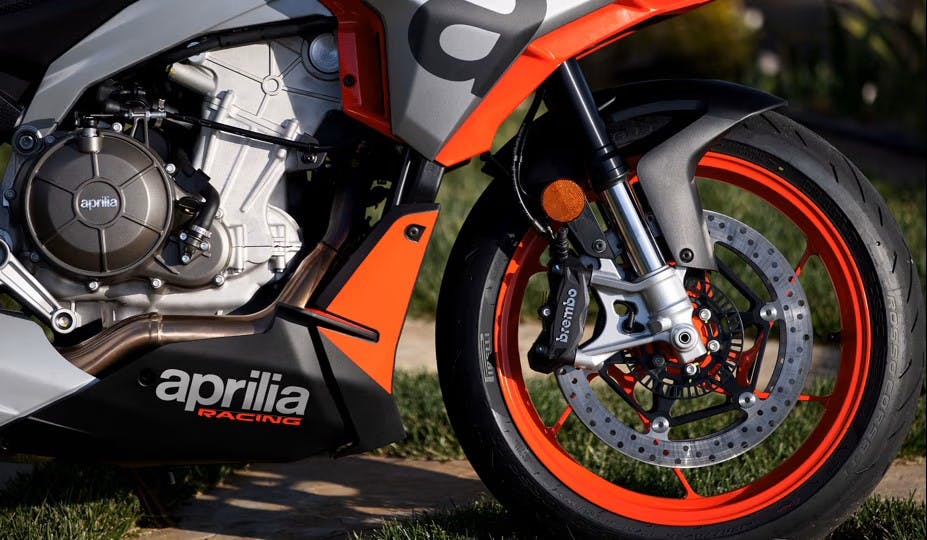
Static shots showcase the bike’s design and craftsmanship:
- Angles and Positioning: Side or 45-degree angles reveal more features, such as the tank, seat, and exhaust. Moving the camera low or using a tripod can add perspective and foreground depth.
- Close-Ups: Detail shots of the engine, handlebars, and accessories highlight the bike's unique elements. These shots are less affected by the background, giving more creative freedom.
- Experiment with Backgrounds: Simple backgrounds like brick walls, open fields, or sky ensure the bike remains the focal point.
6. Post-Processing: Enhancing Your Images
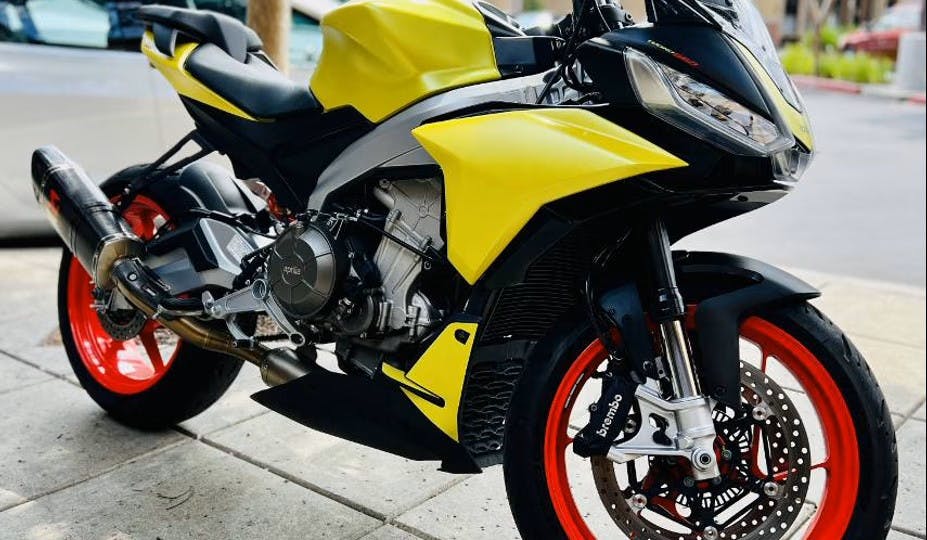
Post-processing can refine photos and bring out their best qualities:
- Software: Adobe Lightroom and Photoshop are popular for adjusting colors, sharpening images, and cropping. Editing helps correct lighting issues, adjust the balance, and enhance detail.
- Cropping for Composition: Leave room when framing shots, allowing flexibility to crop and adjust in post-processing. This can change the photo's feel and emphasize different elements.
- Experimenting with Style: Post-processing is an opportunity to express creativity. Experiment with color grading and effects to match the mood of your images.
7. Smartphone Photography: Tips for Mobile Shots
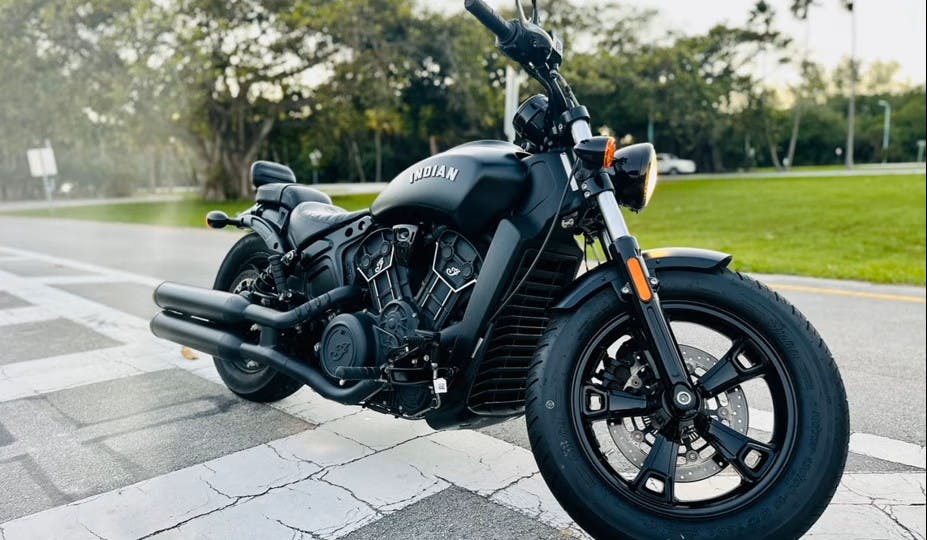
For those using smartphones, many of these techniques can still apply:
- Accessories: Clip-on lenses and stabilizers improve smartphone photography, allowing for wide-angle shots or added stability.
- Mobile Editing Apps: Use apps like Snapseed, VSCO, or Lightroom Mobile to edit and enhance photos directly on your device, adjusting contrast, brightness, and saturation. But just as an FYI- there are quite literally hundreds of editing apps available. We’re not paid or affiliated with any particular editing app- so you may have to test out a few to see what works for you!
9 tips for getting the most out of your smartphone camera settings (for most iPhone & Android smartphones)
- Adjust Exposure and Focus: Tap the screen to set focus and adjust exposure; slide up or down (or left/right) to change brightness. Tap and hold to lock focus and exposure.
- Use HDR Mode: Enable HDR mode to balance highlights and shadows for more even lighting in your photos.
- Shoot in RAW: Use RAW format if your phone supports it (or use third-party apps) to capture photos with more editing flexibility.
- Enable Grid Lines: Turn on grid lines in your camera settings to help with composition using the rule of thirds.
- Use Image Stabilization: Utilize your phone's built-in stabilization feature to reduce vibrations and capture sharper images.
- Rely on Natural Light: Make the most of natural light for better quality photos.
- Experiment with Picture Styles: Adjust tones, warmth, or other styles if your camera app offers these features for customized looks.
- Apply Color Theory: Use contrasting or complementary colors (e.g., blue and orange) to create dynamic and balanced compositions.
- Use Volume Buttons: Use your phone’s volume buttons (or headphones with volume controls) as a shutter for steadier shots.
8. Don’t focus so much on photography that you forget to focus on safety
Capturing motorcycles while riding safely requires awareness:
- Road Safety: When photographing action shots, remind riders to perform maneuvers safely. Avoid U-turns on narrow roads and position yourself in safe spots for capturing shots.
- Legal Aspects: Be mindful of photography permissions, especially on private property. Drone use also has regulations that vary by location.
- Equipment Security: Use weatherproof bags and straps to secure gear while riding and shooting.
9. Join the Community
Motorcycle photography isn’t just technical; it’s a chance to connect with riders that care just about the nitty gritty and aesthetics as you do.
- Engage with the Community: Sharing your work on social media platforms or at bike meets helps you learn from others and gain inspiration. Reddit is always a recommended place to go if you’re looking to share your photography or get feedback quick.
- Have Fun and Practice: Experimenting with different techniques, locations, and subjects is key to improving. The more you shoot, the better your photos will become.
10. The most important tip, in our opinion- Why do YOU care?
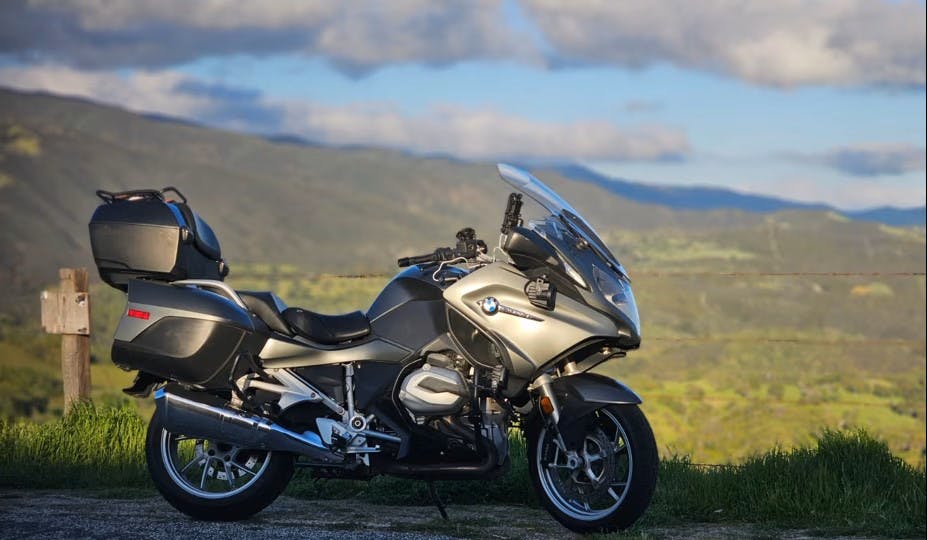
The most important tip in photography is to ask yourself why you're taking the photo—what story or emotion do you want to capture? This applies to any camera, whether it's a phone, DSLR, or mirrorless. If you aim to create something meaningful, visualize the shot. Thinking about what you want it to look like before taking it will help make the difference. Sometimes, it’s okay to let a moment pass without recording it, keeping it as a memory for yourself.
Let the photo sell the story
Be intentional about the photo you take, especially if its to put your bike up for sale or to list it for rent. Think about what you’re trying to sell- just a bike, or a bike that offers an experience? For example, when listing on Riders Share- we’ve seen the full gambit. And in all honesty, it’s the bikes that tell the story (example: motorcycle for rent in California that’s taken with the background of the ocean or on the PCH) that tend to get rented faster- the ones that are intentional about the photos they take.
And it doesn’t need to be necessarily fancy either. But the owners that put thought into it might have better luck.
Make Money with Your Motorcycle - Let Your Photography Pay for You
Listing your motorcycle on Riders Share is a great way to turn your passion into profit. By renting out your bike, you can earn extra income while still having the freedom to ride when it’s available. You NEED a good photo to help your listing stand out—capturing your bike from the right angles with good lighting can highlight its best features, making it more attractive to potential renters. A well-shot image not only grabs attention but also builds trust, showing that your motorcycle is well-cared for and ready for the road. The right photo can be the difference between a quick booking and a missed opportunity.

Still not sure? Check out these helpful articles:
- Selling Your Bike? Here’s Why You Should Rent It
- Is starting a motorcycle rental business a good idea?
- What if someone damages my bike?
- Breaking down the Terms & Conditions of listing your bike on RS
- Your top 5 concerns addressed: Hear it from owners on Riders Share
Bottom Line
Motorcycle photography offers a dynamic blend of creativity and technical skill. Whether you’re using professional gear or a smartphone, understanding lighting, composition, and action techniques is essential. Embrace the process, connect with the motorcycle community, and continually refine your skills through practice and post-processing. With these tips, you can create stunning visual diaries of your motorcycle adventures and improve your craft, all while enjoying the thrill of the ride.
Related Articles
Mon - Fri: 8-8 CT
Weekends: 9-8 CT
