Motorcycle Battery FAQ: Lifespan, Replacement & Maintenance Tips (2025)
Jun 2, 2025
Tags:guideowner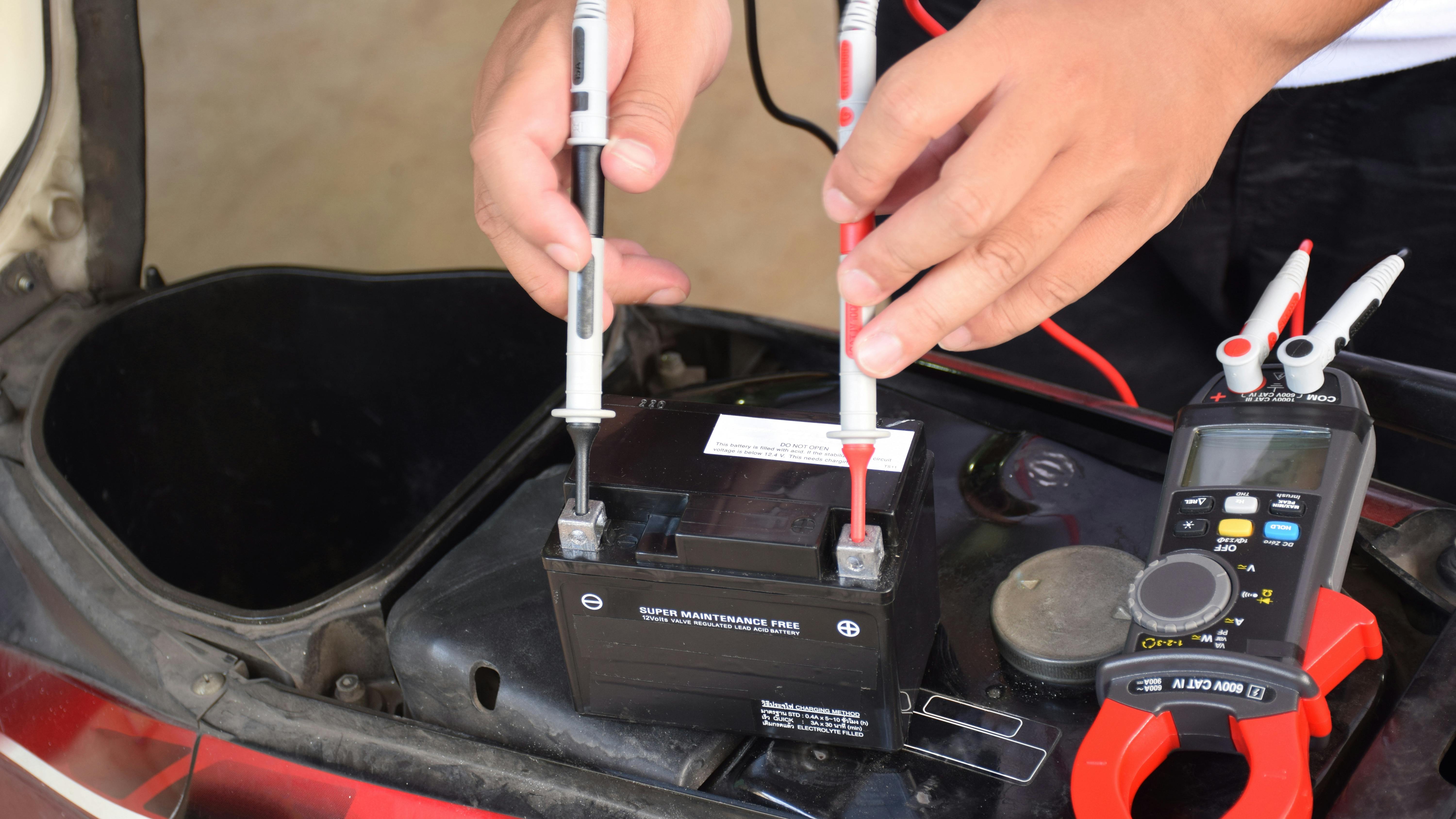
Picture this: you’ve been looking forward to getting out on your motorcycle all week. The weather’s finally cooperating, your gear is on, and everything feels good… until you turn the key and press the starter, only to be met with complete silence. No click, no lights, no signs of life. It’s one of the most frustrating things that can happen before a ride, and in most cases, the issue can be traced back to the battery for motorcycles. It’s easy to forget about until it stops doing its job, but once it does, you’re not going anywhere.
In this blog, we’re going to cover everything you should know about your motorcycle battery, including how long it typically lasts, signs that it might be time for a replacement, and a few easy ways to keep it working the way it should.
What is the Best Type of Battery for a Motorcycle? Lead-acid vs. AGM vs. Lithium
If your battery’s on its last leg and it’s time for a new one, you’ll notice pretty quickly that there isn’t just one option out there. The three main options you’ll come across are lead-acid, AGM, and lithium, and each one has its place depending on how and what you ride.
- Lead-acid batteries are the classic option. They’re usually the cheapest and can work just fine for basic needs, but they’re heavier and need more maintenance. If your bike sits for long periods or you don’t ride often, this type might not hold up well.
- AGM (Absorbed Glass Mat) batteries are sealed, so you don’t have to worry about leaks. They tend to last longer than standard lead-acid and hold a charge better when the bike’s not being used all the time. They’re a popular choice for everyday riders.
- Lithium batteries are the lightest and most advanced. They last longer, charge faster, and don’t lose power as quickly when your bike is sitting. The downside is they’re more expensive, but a lot of riders feel the performance makes up for the price.
If you’re someone who rides often and wants something low-maintenance, AGM is usually a good middle ground. If weight and performance matter more to you, lithium is worth looking into. It all depends on your priorities.
Does it matter what battery you put in your motorcycle?
Yes, it absolutely matters. Using the wrong type or size can cause electrical issues, make your bike hard to start, or even damage components over time. Some motorcycles are built specifically to run on a certain kind of battery, and swapping it out for something else just because it’s cheaper or looks similar might come back to bite you.
Always check your owner’s manual or look up your bike’s specs before buying a replacement. If you’re still not sure, asking someone at your local shop or even reaching out to other riders with the same bike can help point you in the right direction. It’s one of those things that’s easy to get right if you take a few extra minutes to double-check.
How to Read and Compare Motorcycle Battery Ratings
Looking at a motorcycle battery label for the first time can feel like trying to make sense of a code. Between the numbers, letters, and abbreviations, it’s not always clear what you should be paying attention to. In the end, these ratings help you figure out how much power you’re working with, how long the battery can hold up, and whether it’s the right match for your motorcycle. Here’s what to focus on when reading a battery label:
- Voltage (V): Most motorcycles use a 12-volt battery. That number tells you how much electrical pressure the battery delivers, and it needs to match what your bike is designed for. Some older or smaller bikes use 6 volts, but 12 is the standard for most modern motorcycles.
- Cold Cranking Amps (CCA): This rating tells you how well the battery can start your bike when the temperature drops. A higher CCA means more power to turn over the engine in cold conditions, which is helpful if you ride early in the morning or live somewhere with cooler weather.
- Amp-Hours (Ah): This number reflects how much energy the battery can store. It gives you an idea of how long the battery can run your lights, electronics, or accessories before needing to be recharged. A higher Ah rating usually means longer-lasting power.
- Battery code or model number: You’ll see something like YTX14-BS on the label. This isn’t random—it tells you the battery’s size, shape, and terminal layout. Matching this code to what your bike needs helps make sure the battery actually fits and works the way it should.
How Long Do Motorcycle Batteries Last?
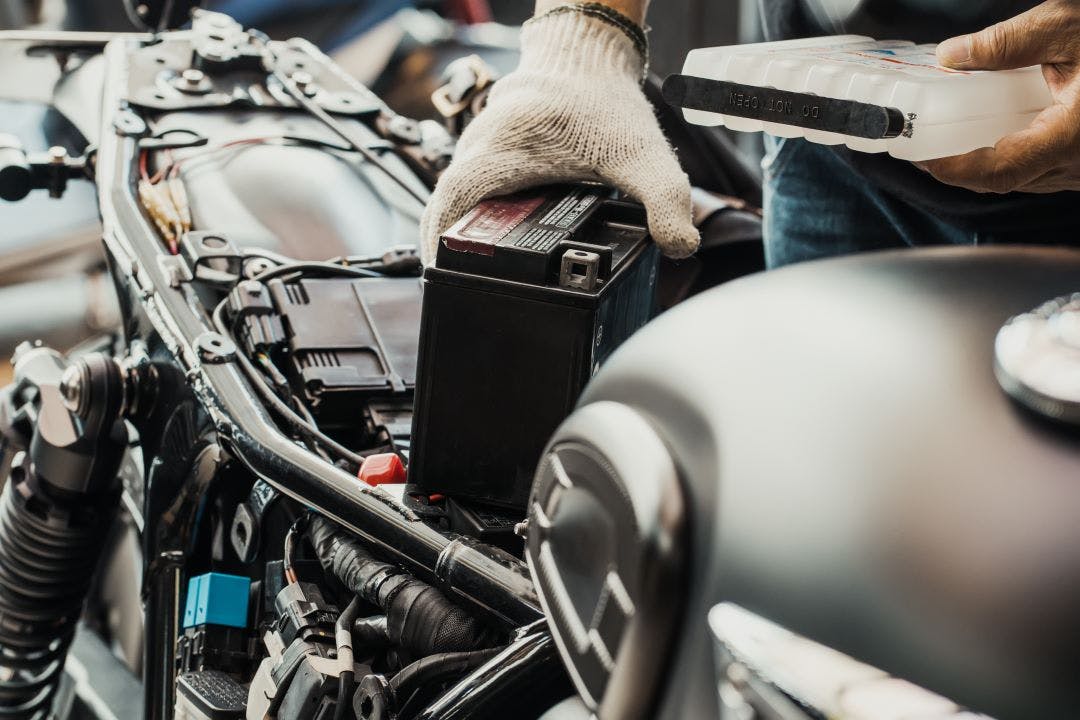
The average motorcycle battery lifespan is around two to five years, but how long yours lasts depends heavily on how often you ride, how it’s stored, and how well it’s maintained. A battery that’s kept charged, especially during downtime, will usually last longer than one that’s left to sit unused. Riding regularly, avoiding deep discharges, and staying on top of basic care can help you get the most out of it.
Looking to Extend Your Motorcycle Battery’s Life? Here’s 4 Tips on How
Tip 1: Use a trickle charger during downtime. Leaving your bike parked for long stretches without charging the battery can shorten its life fast. A trickle charger keeps it topped off at a healthy level so you’re not starting from zero the next time you ride. This is especially helpful during the off-season or if your bike only comes out on weekends.
Tip 2: Store the battery right in the winter. Cold weather is tough on batteries. Before winter hits, disconnect the battery and keep it somewhere dry and away from freezing temperatures. If you leave it on the bike, make sure it’s not sitting directly on a cold surface and consider using a charger to keep it from draining.
Tip 3: Start the bike regularly when it’s not in use. Letting the engine run for a few minutes now and then can help keep the battery active. It’s not a replacement for riding or using a charger, but it’s better than letting the battery sit completely untouched for weeks at a time.
Tip 4: Clean and check the terminals. Corrosion or loose connections make it harder for the battery to work the way it should. Take a few minutes every so often to check the terminals and clean off any buildup. This small step helps the battery stay efficient and prevents charging issues.
Signs of a Bad Motorcycle Battery
A good motorcycle battery should be reliable, consistent, and give your bike the power it needs without any trouble. When that’s no longer happening, there are a few common signs that something’s off.
- Slow or weak starts: If the engine sounds like it’s struggling to turn over or takes longer than usual to start, the battery might not be holding enough charge.
- Dim lights or flickering dash: Headlights that seem dim or dash lights that flicker when you hit the starter are often signs of low voltage.
- Clicking sounds when starting: Hearing a click but not getting a full start usually points to a battery that doesn’t have enough power to crank the engine.
- Swollen battery case: A good battery should hold its shape. If it looks bloated or warped, something’s gone wrong inside and it needs to be replaced.
- Strange smells: A rotten egg smell can be a sign the battery is leaking or overheating, especially with older lead-acid types.
If your bike starts acting up and you’re seeing more than one of these signs, that usually means your battery is on its way out. These issues can sometimes be confused with other electrical problems, so if you’re not sure, testing the battery with a multimeter or having it checked at a local shop can give you a clearer answer. Catching a bad battery early means you can take care of it before it leaves you stuck in the wrong place at the wrong time.
Can a Completely Dead Motorcycle Battery be Recharged?
Yes, you can usually charge a motorbike battery that’s completely dead, but there’s a catch: it depends on how long it’s been dead and what kind of shape it’s in. If the battery has only recently lost its charge, and there’s no physical damage or swelling, a slow charge with the right kind of charger can often bring it back to life.
That said, if it’s been sitting for weeks or months with zero voltage, the battery might not bounce back the way you’d hope. Sometimes it’ll take a charge but won’t actually hold it for long, which means you’re stuck in the same spot the next time you go to ride. And if you’re using a lithium battery, you’ll want to be extra careful, since not all chargers work with them, especially when the battery is fully drained.
The safest way to go about it is with a smart charger or trickle charger designed for motorcycles. These chargers are made to slowly and safely bring the battery back without overloading it. Just keep in mind that if the battery doesn’t respond after a few hours or refuses to hold a charge, it’s probably time to start looking for a replacement.
How Much Does a Motorcycle Battery Cost?
A motorcycle battery’s cost usually falls somewhere between $50 and $150, depending on the type of battery you need and the brand you go with. Basic lead-acid batteries are often the most affordable, while lithium options tend to be on the higher end. If you’re due for a motorcycle battery replacement, it helps to know what your bike actually needs so you’re not spending more than you have to. You can expect to pay more for batteries with higher performance or longer lifespans, but that doesn’t mean there aren’t deals out there. To get a motorcycle battery cheap, try looking online at trusted retailers, checking local shops during sales, or even asking around in riding forums
How to Change Battery on a Motorcycle
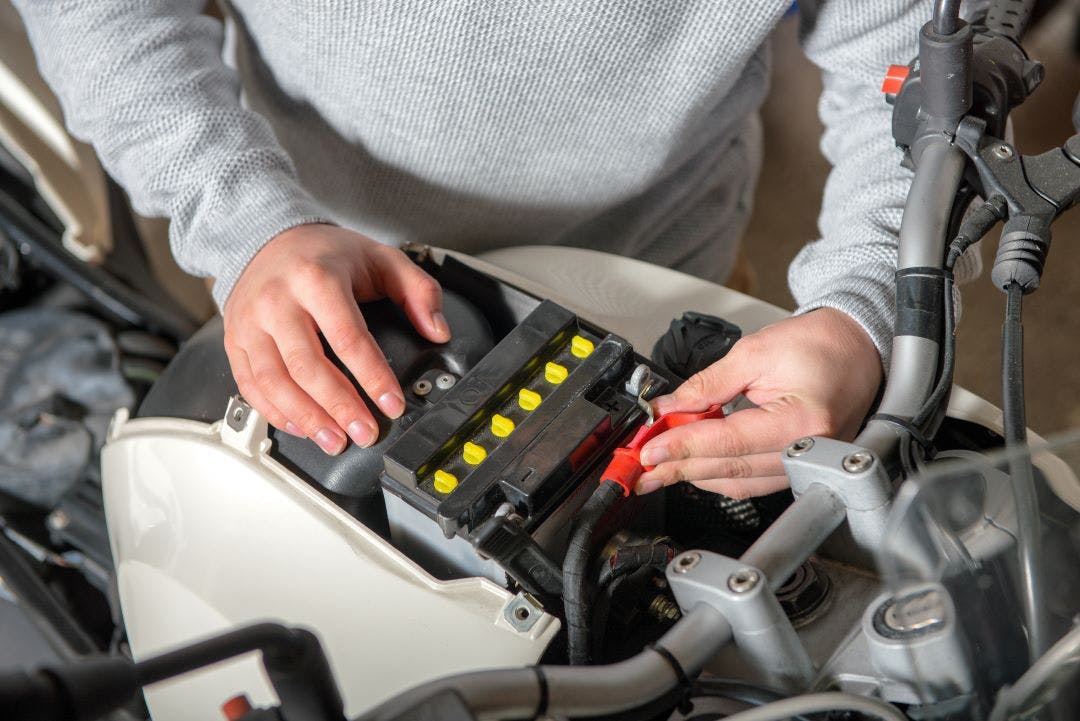
Changing a motorcycle battery is a straightforward process that you can typically do yourself. Here's a step-by-step guide:
Tools You'll Need:
- Screwdriver (usually Phillips or flat-head)
- Wrenches (size varies based on your bike)
- New motorcycle battery (make sure it's the correct type and size for your bike)
- Safety gloves and goggles (recommended)
- Steps to Change a Motorcycle Battery:
1. Focus on Safety First
- Turn off the motorcycle engine.
- Remove the key from the ignition.
- Wear safety gloves and goggles.
2. Access the Battery
Depending on your motorcycle, you may need to remove the seat or a side panel to access the battery.
3. Disconnect the Old Battery
Start by disconnecting the negative (-) terminal, usually marked in black or with a minus sign. Use a wrench to loosen the terminal screw.
Then disconnect the positive (+) terminal, typically marked in red or with a plus sign.
4. Remove the Old Battery
Carefully lift the battery out of the motorcycle. Batteries can be heavy, so ensure you have a good grip.
5. Prepare the New Battery
If it's a maintenance-free battery, it might be ready to install. If not, you may need to fill it with acid and charge it according to the manufacturer's instructions.
6. Install the New Battery
Place the new battery in the same position as the old one.
Connect the positive (+) terminal first, then the negative (-) terminal. Ensure the connections are tight.
7. Secure the Battery
Ensure the battery is firmly in place and won't move around during rides. Some bikes have a strap or bracket to secure the battery.
Test the Battery:
Turn on your motorcycle to ensure the new battery is functioning. Check the lights, horn, and start the engine.
8. Dispose of the Old Battery
Take the old battery to a recycling center or a place that accepts hazardous materials. Do not throw it in the trash.
Tips:
- Check the Manual: Your motorcycle's manual may have specific instructions for battery replacement.
- Keep the Terminals Clean: Ensure the battery terminals are clean and corrosion-free.
- Proper Charging: If the new battery requires charging before installation, follow the manufacturer's guidelines.
- Safety Note: Be cautious when handling motorcycle batteries as they contain acidic electrolytes and can produce explosive gases. Always work in a well-ventilated area.
You can successfully change your motorcycle's battery by following these steps and taking the necessary precautions.
Don’t Let Your Battery Drain Your Wallet
Riders Share gives you the chance to keep your motorcycle in use and make money from it at the same time. Instead of letting your bike sit untouched in the garage, which can lead to battery problems and other issues over time, you can list your bike on the platform and earn extra income through motorcycle rentals. It’s an easy way to keep your bike active, avoid the headaches that come from long periods of downtime, and connect with riders who are looking for a ride just like yours. And if your own battery needs replacing or your bike is in the shop, renting through Riders Share means you can still get out and ride without skipping a beat.

Related Articles
Mon - Fri: 8-8 CT
Weekends: 9-8 CT
