Lane Splitting Laws by State 2025: Where It's Legal + Filtering Rules
Jan 18, 2026
Tags:californiamtkentuckyrenterskymississippimontanacaownersutdelawutahdelawaretipsnenebraskams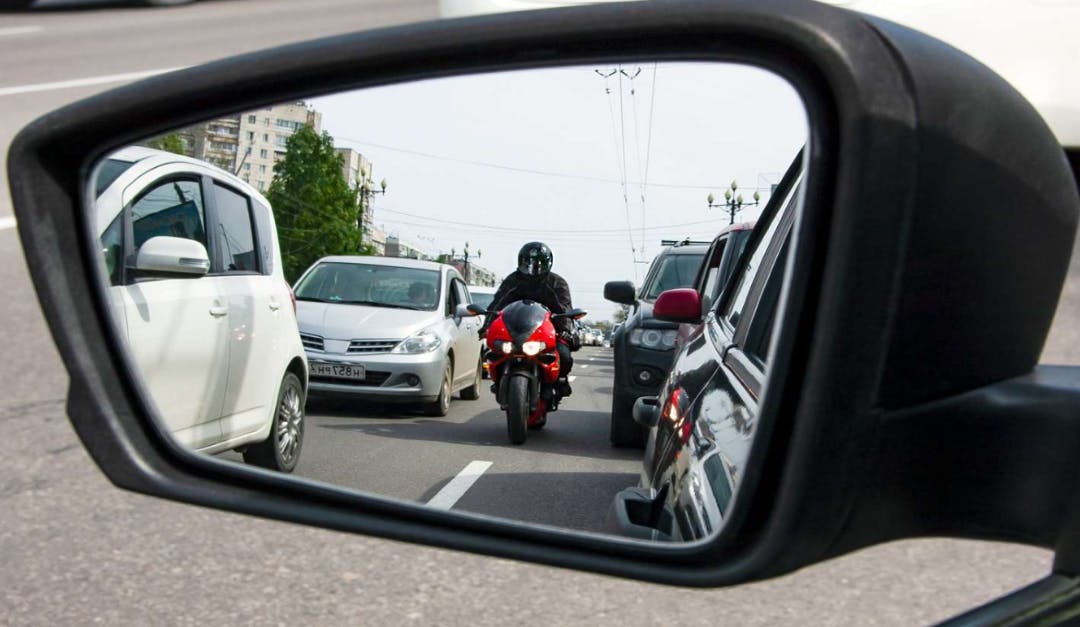
Lane splitting remains one of the most talked about topics in the motorcycle community, and for good reason. Whether you're commuting through rush hour traffic or trying to avoid becoming someone's bumper sticker, knowing where you can legally ride between cars matters for every rider on the road.
So, is lane splitting legal? The short answer is yes, but only in certain states and under specific conditions. California remains the only state with full lane splitting privileges, while five other states now allow lane filtering, which is a more restricted version of the practice. With Colorado legalizing filtering in August 2024 and Minnesota following in July 2025, we're seeing real momentum for these laws across the country.
This guide breaks down lane splitting laws by state, explains the differences between splitting and filtering, and covers the latest safety data driving these legislative changes. Whether you're planning a motorcycle rental trip through California or just want to understand your local laws, you’re in the right place.
Lane Splitting vs. Lane Filtering
Before we start listing all of the United States and which ones lane splitting is legal or illegal in, we have to make another distinction. For many states, lane filtering is now legal. Lane splitting and lane filtering are two practices often confused (they are not interchangeable), but they differ slightly in terms of when and how they're executed by motorcyclists:
- Lane Splitting: This involves a motorcyclist riding between lanes of traffic that are moving in the same direction. It’s typically done in slow-moving or stopped traffic, such as in traffic jams.
- Lane Filtering: Lane filtering occurs when a motorcyclist moves between lanes of traffic at intersections, usually when vehicles are stopped at traffic lights. This allows the motorcyclist to reach the front of traffic and proceed quickly when the light changes.
Both practices aim to save time and prevent accidents, but their legality varies by state. Lane filtering is seen as slightly less risky. It’s legalized in more areas than lane splitting because it typically occurs at lower speeds and in specific scenarios like traffic lights.
Motorcycle Lane Splitting Legal States in 2025
As of 2025, six states allow some form of riding between lanes. Here's a quick breakdown:
- Full Lane Splitting: California
- Lane Filtering Only: Arizona, Utah, Montana, Colorado, and Minnesota
California
Status: Legal since 2016
California lane splitting is the gold standard and the only state where full lane splitting through moving traffic is permitted. Assembly Bill 51 formally legalized the practice in 2016, making California the pioneer in U.S. lane splitting law.
What's allowed:
- Riding between lanes of traffic moving in the same direction
- Splitting on divided and undivided streets, roads, and highways
- Passing both stopped and moving vehicles
Guidelines:
- The California Highway Patrol recommends keeping your speed differential under 15 mph
- Drivers cannot legally block or impede a rider who's lane splitting safely
Arizona
Status: Legal since 2022
Requirements:
- Traffic must be completely stopped
- Roads must have speed limits of 45 mph or less
- Your filtering speed cannot exceed 15 mph
- Road must have at least two lanes traveling in the same direction
Restrictions:
- No filtering on freeways
- No using highway shoulders
Utah
Status: Legal since 2019
Utah was actually ahead of the curve, becoming the second state to legalize any form of lane filtering back in 2019.
Requirements:
- Traffic must be completely stopped (not just slow)
- Roads must have posted speed limits of 45 mph or less
- Filtering speed must stay at 15 mph or below
Restrictions:
- No filtering on freeways, shoulders, or bike lanes
Montana
Status: Legal since 2021
Montana's law is slightly more flexible than some other filtering states. Unlike Arizona or Utah, Montana doesn't require traffic to be at a complete stop, which gives riders a bit more flexibility on the road.
Requirements:
- Traffic must be stopped or moving at 10 mph or less
- Maximum filtering speed of 20 mph
- Lanes must be wide enough to pass safely
Colorado
Status: Legal since August 2024
Requirements:
- Traffic must be completely stopped
- Filtering speed cannot exceed 15 mph
- Must pass between vehicles traveling in the same direction
Restrictions:
- No using the shoulder or oncoming lanes
- $100 fine for violations
Important note: Colorado's law includes a sunset provision and will automatically expire in September 2027 unless the legislature extends it. The Colorado Department of Transportation is collecting crash data during this period to evaluate the law's effectiveness.
Minnesota
Status: Legal since July 2025
Minnesota became the sixth state to legalize filtering when their law took effect on July 1, 2025. What makes them unique is that their law allows both filtering and a limited form of lane splitting, according to the American Motorcyclist Association.
Requirements:
- Traffic must be moving at 10 mph or less
- Maximum speed of 25 mph
- Cannot exceed 15 mph faster than surrounding traffic
Additional protections: Any driver who intentionally blocks a rider from legally lane splitting can be charged with a misdemeanor, making Minnesota one of the most rider-friendly states outside of California.

Lane Splitting Reduces Rear-End Collisions
When Colorado and Minnesota passed their filtering laws, both states pointed to the same research: a 2015 UC Berkeley study that examined nearly 6,000 motorcycle collisions in California.
Rear-End Collision Rates
Lane splitting riders were much less likely to be rear-ended than riders who stayed in their lane. The study found rear-end collision rates dropped from 4.6% to 2.6% among lane splitting riders, which is nearly half the risk of the most common type of motorcycle accident in traffic.
Injury Rates Were Lower Across the Board
When collisions did occur, lane splitting riders experienced fewer injuries overall:
- Head injuries: 9% vs 17% (47% reduction)
- Torso injuries: 19% vs 29% (34% reduction)
- Fatal injuries: 1.2% vs 3% (60% reduction)
When Lane Splitting is Safest
The study also found that the practice is safest when done at reasonable speeds. Speed differentials under 15 mph and traffic speeds below 50 mph showed no increased collision risk compared to normal riding.
States That May Legalize Lane Splitting Soon
- Oregon
- Texas
- Washington
Oregon
Oregon has been working on this issue for years, with HB 3542 currently under consideration in 2025. The bill would allow lane filtering on roads with speed limits of 50 mph or higher when traffic is moving at 10 mph or less. A similar bill actually passed with strong bipartisan support in 2021 but was vetoed by Governor Kate Brown.
Texas
Texas has introduced lane splitting bills repeatedly since 2015, though none have advanced beyond committee. Recent proposals would allow filtering when traffic is moving at 10 mph or less with a rider maximum of 20 mph.
Washington
Washington continues to see legislative interest, with ongoing debates about legalizing some form of lane filtering.
Other States to Watch
- Connecticut
- Maryland
- Massachusetts
- Missouri
- Virginia
States Where Lane Splitting is Illegal
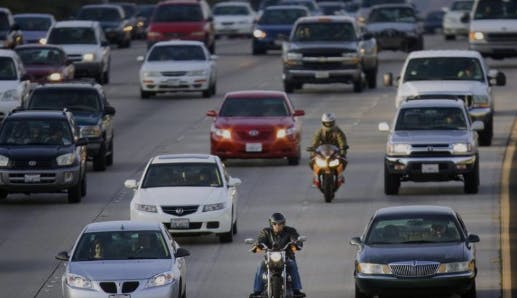
In most of the United States, lane splitting and lane filtering remain prohibited. If you're riding in any state not listed above, assume that riding between lanes is illegal and can result in citations for improper passing, failure to maintain lane, or reckless driving. For some guidance, here are the states where lane splitting is illegal:
- Alabama
- Alaska
- Arkansas
- Connecticut
- Florida
- Georgia
- Idaho
- Illinois
- Indiana
- Iowa
- Kansas
- Louisiana
- Maine
- Maryland
- Massachusetts
- Michigan
- Missouri
- Nebraska
- Nevada
- New Hampshire
- New Jersey
- New Mexico
- New York
- North Carolina
- North Dakota
- Ohio
- Oklahoma
- Oregon
- Pennsylvania
- Rhode Island
- South Carolina
- South Dakota
- Tennessee
- Texas
- Vermont
- Virginia
- Washington
- West Virginia
- Wisconsin
- Wyoming
Gray Area States
A few states like Delaware, Kentucky, and Mississippi exist in a legal gray area where lane splitting isn't explicitly prohibited by statute but can still result in citations at an officer's discretion. The safest approach in these states is to treat it as illegal.
Hawaii Has a Unique Exception
While lane splitting and lane filtering between cars is illegal in Hawaii, riders are allowed to use the shoulder to pass stopped vehicles on roads with at least two lanes traveling in the same direction. This practice, sometimes called "shoulder surfing," isn't the same as lane splitting but offers Hawaii riders an alternative for getting through congested traffic.
Rent a Motorcycle With Riders Share & Stay Informed With Local Laws
Planning to ride in a state where lane splitting or filtering laws are different from home? Rent your motorcycle through Riders Share so you can choose a bike in the state you’re riding in and check the local rules before you head out. We make it easy to browse available motorcycle rentals, book directly with owners, and start your trip knowing exactly what’s legal once traffic slows down. Find your ride, review the laws for your destination, and book with confidence before your trip begins.

Lane Splitting Laws (FAQ)
Short on time? These are the lane splitting questions riders ask most, with direct answers pulled straight from the rules outlined above.
Which states allow lane splitting?
As of 2025, California is the only state that allows full lane splitting through moving traffic. Motorcyclists can ride between lanes of moving traffic on divided and undivided roads, and the California Highway Patrol recommends keeping your speed differential under 15 mph compared to surrounding traffic.
Which states allow lane filtering?
Legal lane filtering states in 2025: Arizona, Utah, Montana, Colorado, and Minnesota.
What's the difference between lane splitting and lane filtering?
Lane splitting involves riding between lanes of moving traffic and is only legal in California. Lane filtering is riding between lanes of stopped or very slow-moving traffic, typically at red lights, and is permitted in Arizona, Utah, Montana, Colorado, and Minnesota with specific speed and condition restrictions.
Is lane splitting safer than staying in your lane?
Research suggests yes, when done responsibly. The UC Berkeley study found that lane splitting riders were significantly less likely to be rear-ended (2.6% vs 4.6%) and experienced lower rates of head injuries (9% vs 17%), torso injuries (19% vs 29%), and fatal injuries (1.2% vs 3%) compared to non-splitting riders.
Which states are considering lane splitting legislation?
Oregon, Texas, and Washington have active or recent legislative proposals. Oregon's HB 3542 is currently under consideration in 2025 and would allow filtering on roads with 50 mph or higher speed limits. Other states with pending legislation include Connecticut, Maryland, Massachusetts, Missouri, and Virginia.
Can I lane split on a rented motorcycle?
You can only lane split or filter where it's legal. When renting a motorcycle through platforms like Riders Share, always verify the local laws in the state where you're riding since laws vary significantly and what's legal in California won't apply when you cross into Nevada or Oregon.
Bottom Line
Lane splitting laws are changing faster than they have in decades, and riders finally have options beyond just California. If you're planning a trip, renting a bike in a new state, or just trying to make your daily commute a little safer, knowing where you stand legally makes all the difference. Check the rules before you ride, stay within the speed limits where filtering is allowed, and keep an eye on states like Oregon and Texas that could be next to join the list.
Related Articles
Mon - Fri: 8-8 CT
Weekends: 9-8 CT
