The History of Triumph Motorcycles from 1902 to Today
Sep 22, 2024
Tags:triumphinformation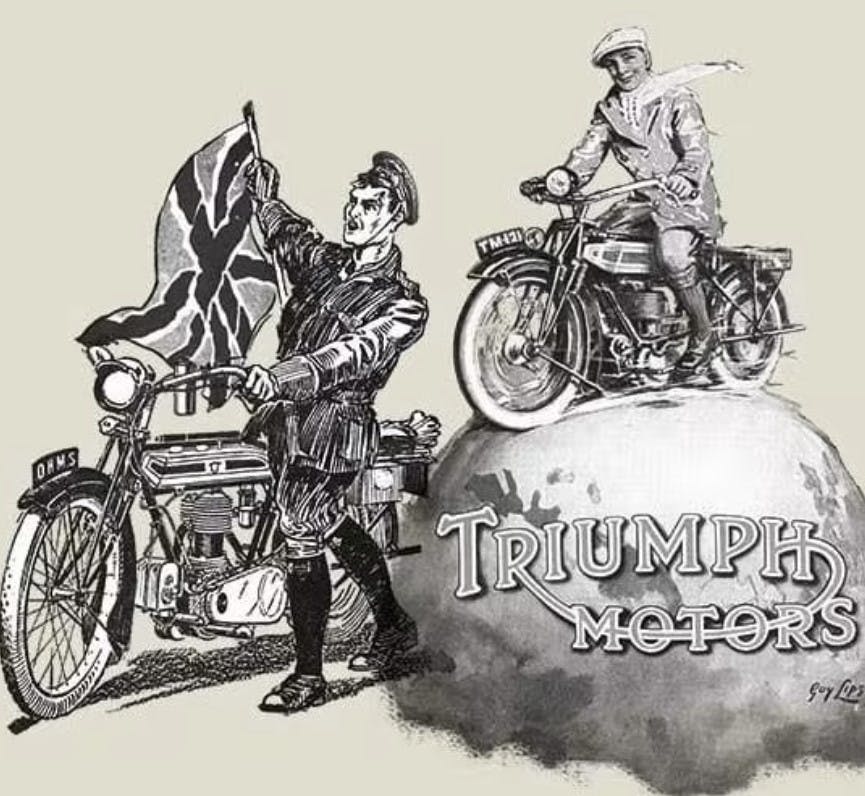
Triumph Motorcycles, with its century-spanning history, stands as one of the most storied brands in the motorcycle industry. Known for its rich heritage and pivotal role in shaping motorcycle culture, Triumph has evolved from a humble bicycle manufacturer to a global icon in the world of two wheels.
We’ll peer deep into Triumph Motorcycles' history, its origins, golden years, challenges, and its resurgence as a frontrunner in the motorcycle market (because seriously, how did they do that?).

1. The Origins and Early Innovations
Foundation and Early Years
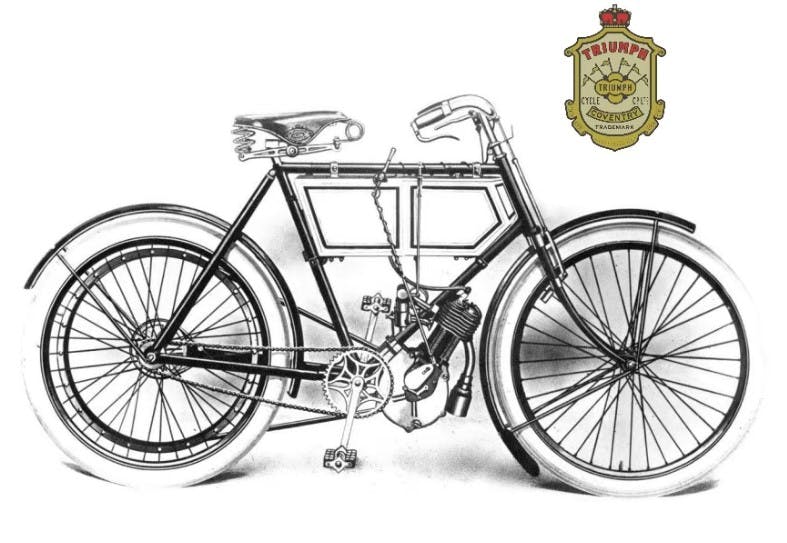
Triumph's journey began in 1885 when Siegfried Bettmann emigrated from Germany to Coventry, England, and founded the Triumph Cycle Company. Initially dealing in bicycles and sewing machines, Triumph made a pivotal shift in 1902, venturing into the burgeoning world of motorcycles with the production of its first model.
This motorcycle featured a simple yet effective design, marrying a sturdy bicycle frame with a Belgian Minerva engine, setting the stage for future innovations.
War Contributions and Expansion
During World Wars I and II, Triumph significantly expanded its production to meet the demands of wartime mobility. The company supplied tens of thousands of motorcycles to the Allied forces. These models were renowned for their reliability and ruggedness in harsh conditions, earning them the nickname "Trusty Triumphs."
The post-war era saw Triumph consolidating its position with innovations that catered to both civilian and military needs, thus broadening its market reach.
2. Triumph’s Golden Era: 1930s to 1960s
Pre-War Innovations and Growth
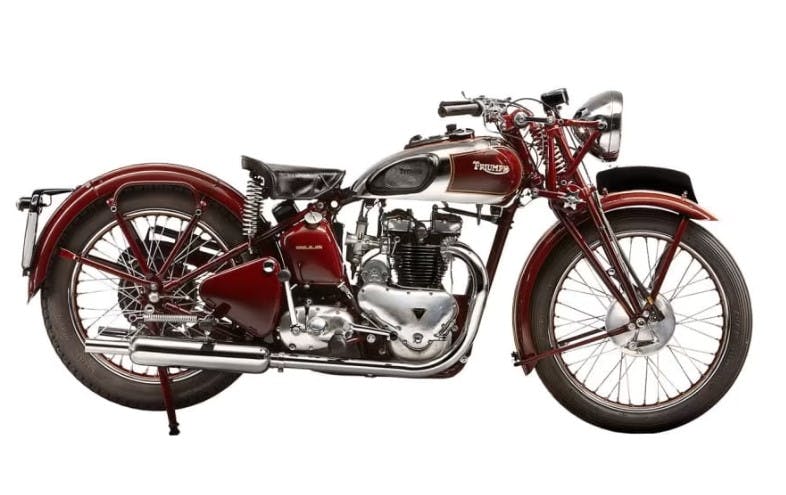
The 1930s marked a period of significant technological advancement for Triumph. The introduction of the Speed Twin in 1937, with its parallel twin engine, was a revolutionary step that influenced motorcycle design profoundly. Throughout the 1930s and into the 1940s, Triumph motorcycles became synonymous with speed and performance, setting numerous records and winning races.
Cultural Icon Status
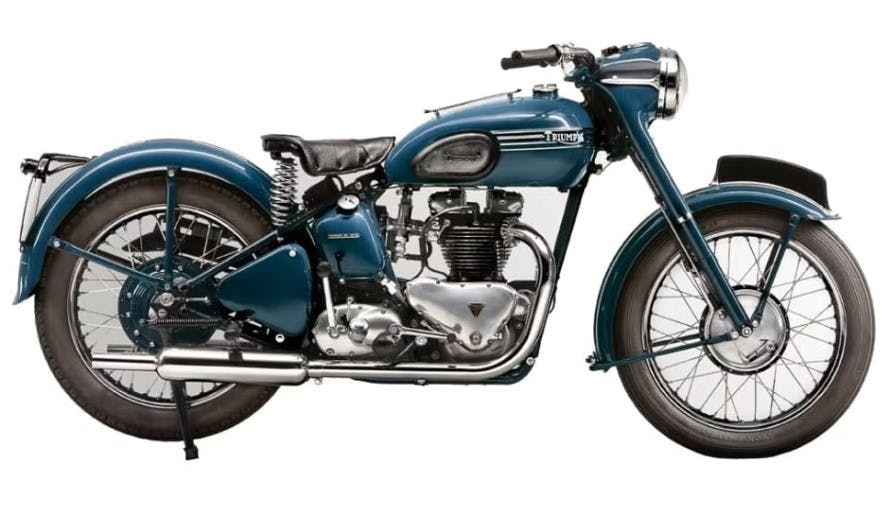
By the 1950s and 1960s, Triumph had cemented its status as a cultural icon. The brand was popularized by Hollywood stars such as Marlon Brando and Steve McQueen, and featured prominently in movies that shaped the popular imagination of motorcycle culture. Triumph motorcycles were not just machines; they symbolized rebellion and freedom, appealing to a broad spectrum of riders from movie stars to everyday enthusiasts.
3. Challenges and Revival: 1970s to 1990s
Economic Challenges and Decline
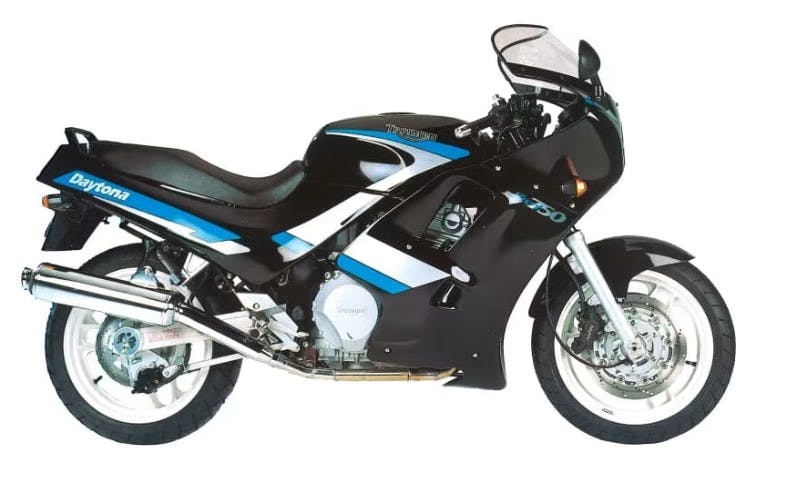
The late 1960s and 1970s brought significant challenges. Competition from Japanese manufacturers, known for their reliable and affordable models, cut deeply into Triumph's market share. The company faced financial hardships and production issues, which eventually led to its decline and cessation of production by the early 1980s.
John Bloor’s Revival
The revival of Triumph Motorcycles is credited to John Bloor, who bought the rights to the company in the late 1980s. Bloor's intervention was pivotal; he modernized production facilities, introduced new technologies, and expanded the model lineup. By the 1990s, Triumph was back on its feet, producing motorcycles that honored its heritage while incorporating modern advancements.
FACT CHECK: Did Triumph Motorcycles Go Out of Business?
Triumph Motorcycles did not go out of business in the early 1980s, despite misinformation online. Like we mentioned before, they definitely had their fair share of financial struggles, but were able to revive the brand in the late 80’s and get back on their feet in the 90’s.
4. Modern Triumph: 2000s to Present
Global Manufacturing Shift
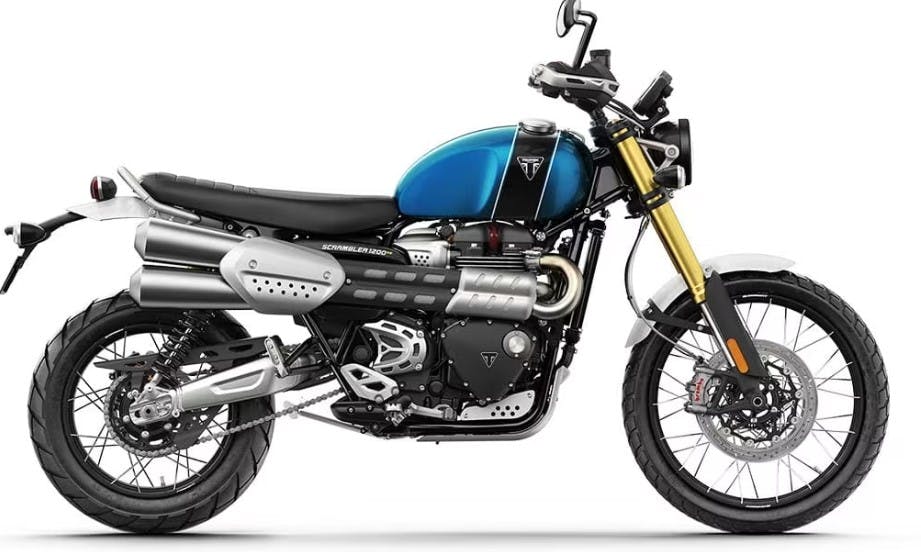
In response to globalization and competitive pressures, Triumph expanded its manufacturing footprint. Today, Triumph operates six factories across three countries: the United Kingdom, Thailand, and Brazil. This international expansion has allowed Triumph to remain competitive, maintaining quality while managing costs effectively.
Recent Developments and Market Growth
Recent years have seen Triumph reinforcing its production capabilities in the UK, responding to a resurgence in demand across Europe. The brand has also seen substantial growth in markets like Latin America and Asia, a testament to its global appeal and strategic market positioning.
5. Triumph Motorcycles Today
Current Ownership and Strategy
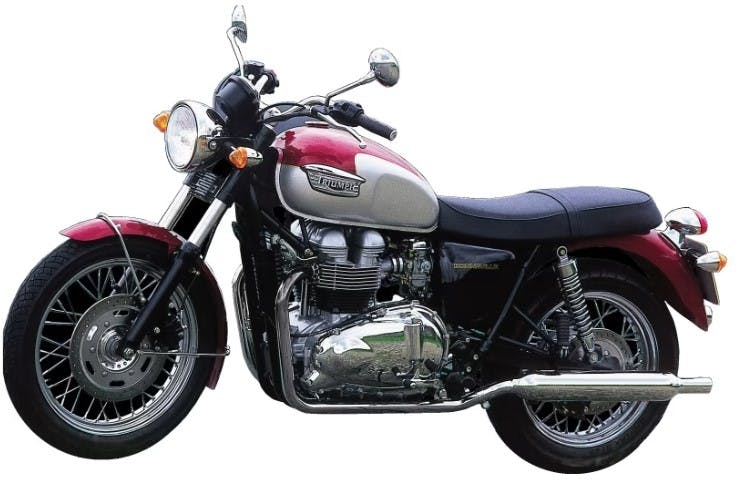
Owned by Bloor Holdings Limited, Triumph continues to innovate under the visionary leadership of the Bloor family. The company's strategy focuses on expanding its product range, entering new markets, and leveraging cutting-edge technology to meet the evolving demands of motorcycle enthusiasts around the world.
Triumph’s Cultural and Market Influence
Triumph remains a powerful cultural figure in the motorcycle world, its legacy preserved through classic models and new innovations. The brand's influence extends beyond the roads into fashion and lifestyle, with a comprehensive lineup of accessories and clothing that celebrates its rich history.
How Has Triumph Exploded So Much In Recent Years?
- Innovative Products: Triumph has consistently developed motorcycles that blend tradition with modern technology, appealing to both enthusiasts and everyday riders.
- Cultural Icon Status: Triumph became a cultural icon by appearing in popular movies and being associated with celebrities, enhancing its image and broadening its appeal.
- Quality and Performance: The brand has maintained a strong reputation for quality and performance, which is crucial for building a loyal customer base.
- International Expansion: Triumph expanded its manufacturing to countries like Thailand and Brazil, which helped reduce costs and increase competitiveness.
- Leadership and Investment: John Bloor's acquisition and revitalization of Triumph in the late 1980s brought crucial investments in modern manufacturing and expanded the product line.
- Market Adaptation: Triumph has effectively adapted to changing market demands and trends, keeping the brand relevant and appealing across generations.
- Diversification: Beyond motorcycles, Triumph has diversified into clothing, accessories, and services, broadening its revenue streams and reinforcing its brand.
Bottom Line on the History of Triumph Motorcycles
From its modest beginnings to its status as a beacon of motorcycle excellence, Triumph Motorcycles has navigated immense challenges and remarkable triumphs. The brand’s dedication to quality, performance, and style continues to endear it to generations of riders, ensuring that the company's history will be appreciated and celebrated for years to come.
Rent a Triumph Motorcycle with Riders Share
Looking to experience motorcycle heritage firsthand? Rent a Triumph motorcycle with Riders Share and experience this iconic brand's rich history and performance first-hand. Choose from classic models like the Bonneville or the adventure-ready Tiger. Riders Share provides a diverse selection, allowing you to connect with the road through Triumph’s distinctive engineering. It’s not just a ride; it’s a way to live the legacy of a legendary motorcycle maker.

Related Articles
Mon - Fri: 8-8 CT
Weekends: 9-8 CT
